
Retrospective
Werner Herzog
Fearless explorer of the (film) world
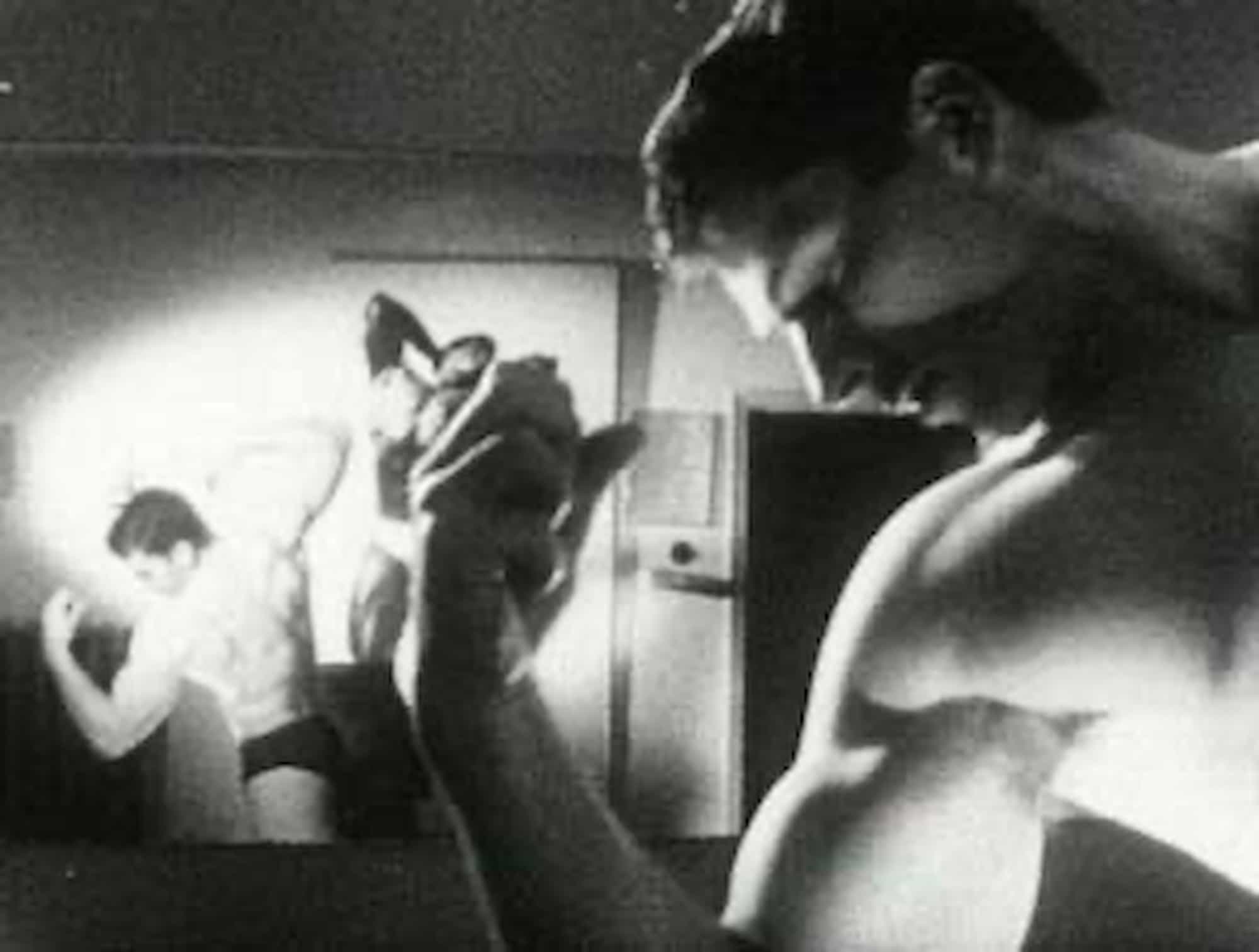
A shot of a young bodybuilder turning, posing and flexing. As it pauses, an inscription appears over the chiselled body:Will he clean the Augean stables? It then shifts to a landfill site, then back to the gym and a different bodybuilder displaying his enviable biceps and triceps. Another inscription: Will he kill the Lernaean Hydra? These scenes are all part of the short film Heracles (1962), made by the renowned German filmmaker Werner Herzog. It marks his first film attempt, shot at the early age of nineteen with a 35-mm camera. The young filmmaker used the myth of the Twelve Labours of Heracles to apparently question the contemporary manifestations of power
Through the alignment of provocative images of the idealised male body and archive shots of traffic jams, military jets, car crashes, and other indications of technological civilisation, a doubt occurs about whether physical strength can address real societal challenges. Later on, Herzog looked unfavourably at his collage of masculinity, competitiveness, and destruction, considering it his first mistake and thus also the most immediate and radical lesson. Or as he himself said, ‘It was a good thing to have made this little film first – rather than jump into something much more meaningful to me – because from that moment on, I had a much better idea as to how I should go about my business. Learning from your mistakes is the only real way to learn.’ Additionally, ‘I just felt it would be better to make a film than go to film school.’
It is well known that Werner Herzog has never studied film. Still, one thing is certain: his first attempt, Heracles, heralded him as an exciting and bold filmmaker who has something to say and will do so in his own fashion. The young Herzog already hints at the next-decade author who will use the fiction and documentary form to persistently explore unusual destinies – fanatics, dreamers, adventurers, and self-proclaimed prophets – people who, similar to ancient heroes, strive to achieve goals greater than themselves and reach transcendence, often in contradiction to common sense and, almost always, on the verge of catastrophe.
We can sense a fearless visionary and pioneer of the new German cinema, who, armed with unwavering determination, courage and sufficient madness, ventures to the brink and risks everything for his untamed belief in the power of film. A clear example of this is his short film La Soufrière (1977), for which he and his team ventured to the active volcano in the Caribbean. Or a slightly lighter short documentary by Les Blank titled Werner Herzog Eats his Shoe (1980) where the German does precisely that.
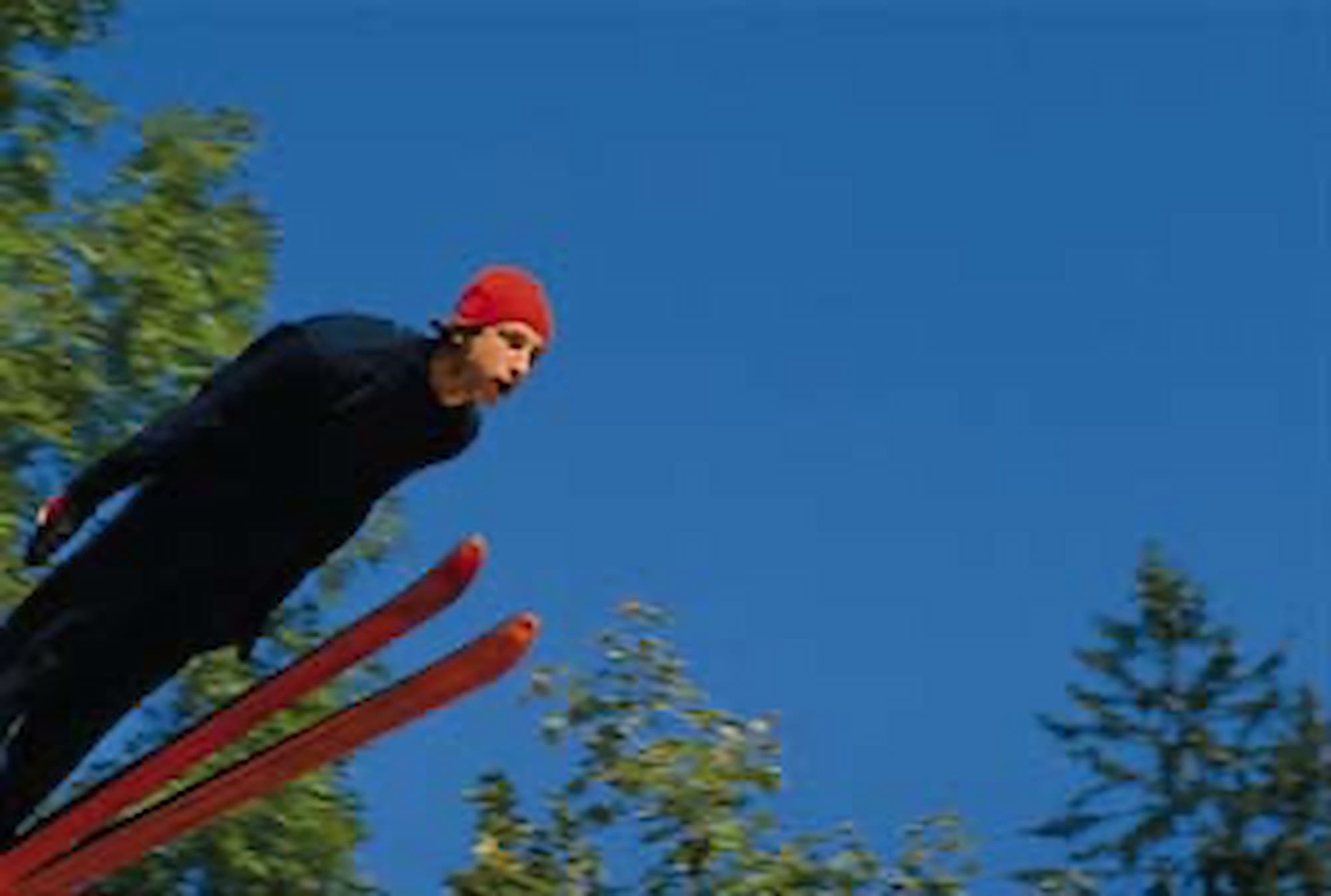
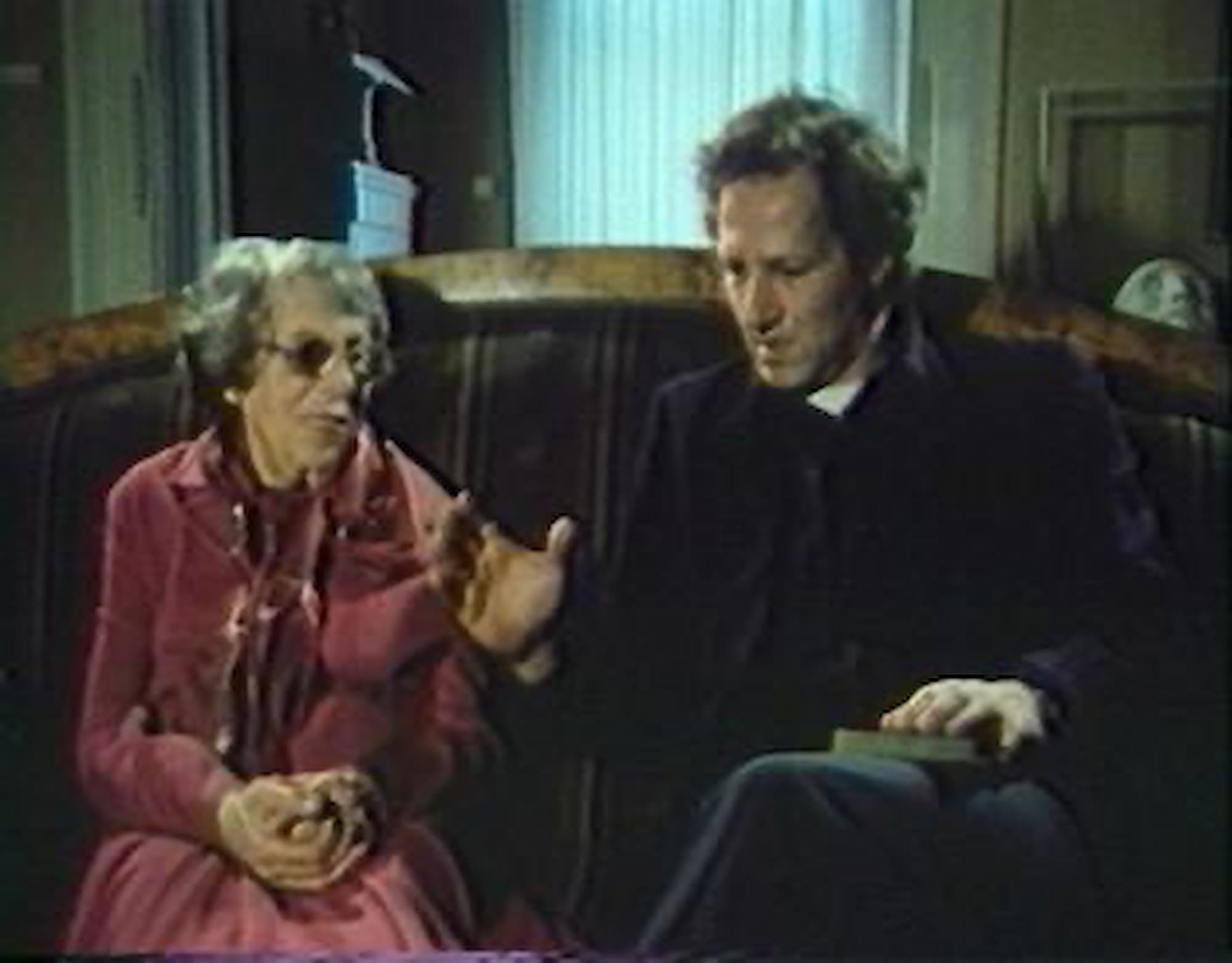
In the short autobiographical documentary Portrait Werner Herzog (1986), we discover that he was born in 1942 in Munich, but merely two weeks after his birth his family home was destroyed by a bomb. So, he spent the first eleven years of his life in a remote village named Sachrang, which marked him for life. The film also reveals Herzog’s childhood dream. He initially wished to become a ski jumper and trained at the nearby ski jumping hill to make it onto the national team. But then his best friend had a severe accident and nearly died. ‘Since then, I knew I could do only one thing – make films.’ This fascination with ski jumping gave birth to a medium-length film Herzog particularly liked: The Great Ecstasy of Woodcarver Steiner (1974), a portrait of the famous Swiss ski jumper – and woodcarver – Walter Steiner, filmed among other locations also at the Planica ski jumping hill.
Six years after Portrait Werner Herzog came the documentary Lessons of Darkness (1992), for which the filmmaker set out to the Kuwait oil platforms, desolate after the Gulf War. Instead of creating a classic documentary about war and its consequences, Herzog used the images of burning oil wells and burnt land to create a grandiose, apocalyptic, surreal vision of a world that appears as remains of some other planet or as a void or a black hole. As two shapes walk towards the borehole, one carrying a torch, Herzog asks, ‘What are they up to? Are they going to rekindle the blaze? Has life without fire become unbearable for them?’ Through mere images and minimal comments, the director reveals the eeriness of human nature, capable of inconceivable levels of destruction and dehumanisation that we now repeatedly face.
Herzog’s shorts and featurettes are therefore not simply a sideline to his famous feature films but a laboratory of ideas, images, and obsessions that gave birth to one of the most unique filmographies of our time. In them, we encounter everything that’s later to mark his films, such as Aguirre, the Wrath of God (1972), Fitzcarraldo (1982) or Grizzly Man(2005); that is, the complex relationship between humans and the untameable nature, eccentric individuals, the lure of absurd exploits, and the sensation that what lurks behind the virtual reality is something much more secretive, wild, and evasive.
Dora Trček
Herakles
Werner Herzog, West Germany, documentary, 1962, 10'

How Much Wood Would a Woodchuck Chuck
Werner Herzog, West Germany, documentary, 1976, 45'

La Soufrière – Waiting for an Inevitable Catastrophe
Werner Herzog, West Germany, documentary, 1977, 30'

Lessons of Darkness
Werner Herzog, Germany, France, United Kingdom, documentary, 1992, 55'

Unprecedented Defence of the Fortress Deutschkreuz
Werner Herzog, West Germany, fiction, 1966, 15'
The Great Ecstasy of Woodcarver Steiner
Werner Herzog, West Germany, documentary, 1974, 46'
Precautions Against Fanatics
Werner Herzog, West Germany, fiction, 1969, 12'
Portrait Werner Herzog
Werner Herzog, West Germany, documentary, 1986, 29'

Werner Herzog Eats His Shoe
Les Blank, USA, documentary, 1980, 22'
Last Words
Werner Herzog, West Germany, fiction, 1968, 13'