
FeKK BAL
International competition programme
Global currents, local resistance
If determining what the annual selection for the international FeKK BAL competition has in common is nearly impossible based on the films themselves, determining such a denominator based on production and social circumstances is equally challenging. Therefore, a simple outline of points that crosscut this year’s selection must satisfy us.
Protests, all triggered by accidents: the collapse of the Novi Sad station canopy, a train crash in the Vale of Tempe, and a fire at the Kočani nightclub. The once-united country has been defined by mass protests in Serbia and a constitutional crisis in Bosnia and Herzegovina, with protests raging also in Greece and Northern Macedonia. The incidents that led up to demonstrations exposed flaws in construction standards and safety regulations, revealing apparent political corruption in correlation to the private sector.
Airbnbsation, which can be experienced in all larger cities and tourist destinations from Croatia to the Greek coast, is another significant topic of the 2024/2025 FeKK BAL films. Its well-known mantra is the excruciating price rise of apartments across Europe, headed precisely by Greece. The Greek financial crisis stipulated an almost complete sell-off of infrastructure and a redirection to tourism. In exchange for the desperately needed, yet short-term, funding, the country sold its real estate to foreign investors at favourable terms. They are now also the ones that profit from tourism.
Along the same lines, several films also reflect on the consequences of the 1990’s transition, which included the privatisation of common property, bankruptcies, and the downfall of many once-successful Yugoslav companies, which now seem but a utopian recollection of an alternate past.
However, this year’s selection also contains other imagery: local communities and activities which have not been devoured by the corporate force. Although tobacco farmers and olive harvesters lack mechanisation to speed up their procedures, they project the image of a small enterprise with a locally-based activity that provides jobs and potential surpluses to the community.
In line with such themes, we may notice an increase in a dynamic documentary style that appears even in fiction films. Its characteristic, the moving camera, not only moves about but also employs spontaneous zooming, reminiscent of the 1990s aesthetics.
Finally, to keep with tradition, let us provide some basic statistics: we have watched 250 films and chosen 20 for the final selection.
Peter Cerovšek, Robert Kuret, Anne Tassel
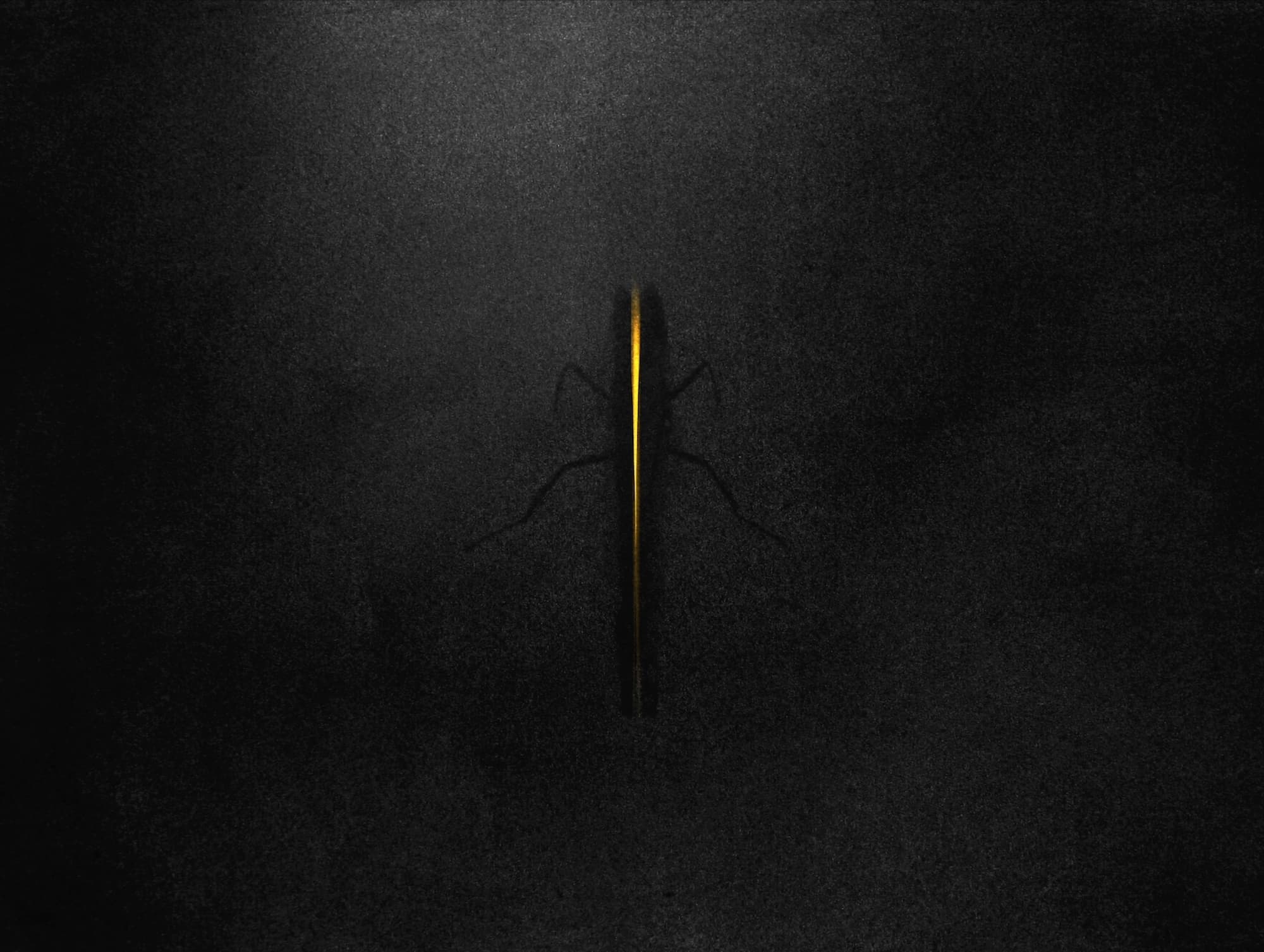
A Few Moments
Miodrag Manojlović, Bosnia and Herzegovina, experimental, 2024, 13'

Mother Died Today
Philip Andreev, Bulgaria, fiction, 2024, 29'

Valleys
Miljan Vučelić, Montenegro, documentary, 2024, 18’
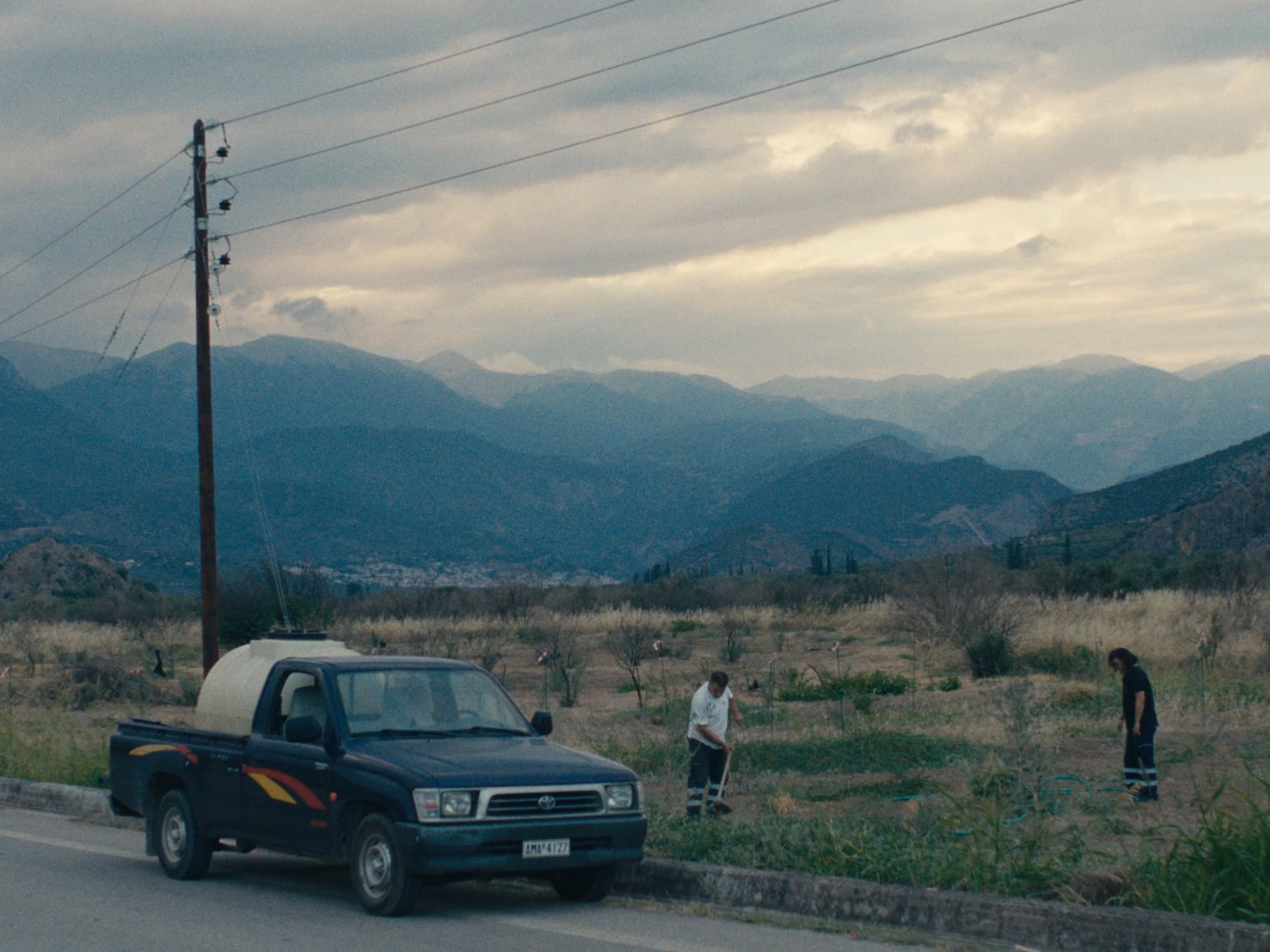
Elysian Fields
Anna-Maria Dutoit, Germany, Greece, documentary, 2025, 28'

Fačuk
Maida Srabović, Croatia, Slovenia, animation, 2025, 13'

Thank You, Mother
Izidor Bistrović, Croatia, documentary, 2024, 19'
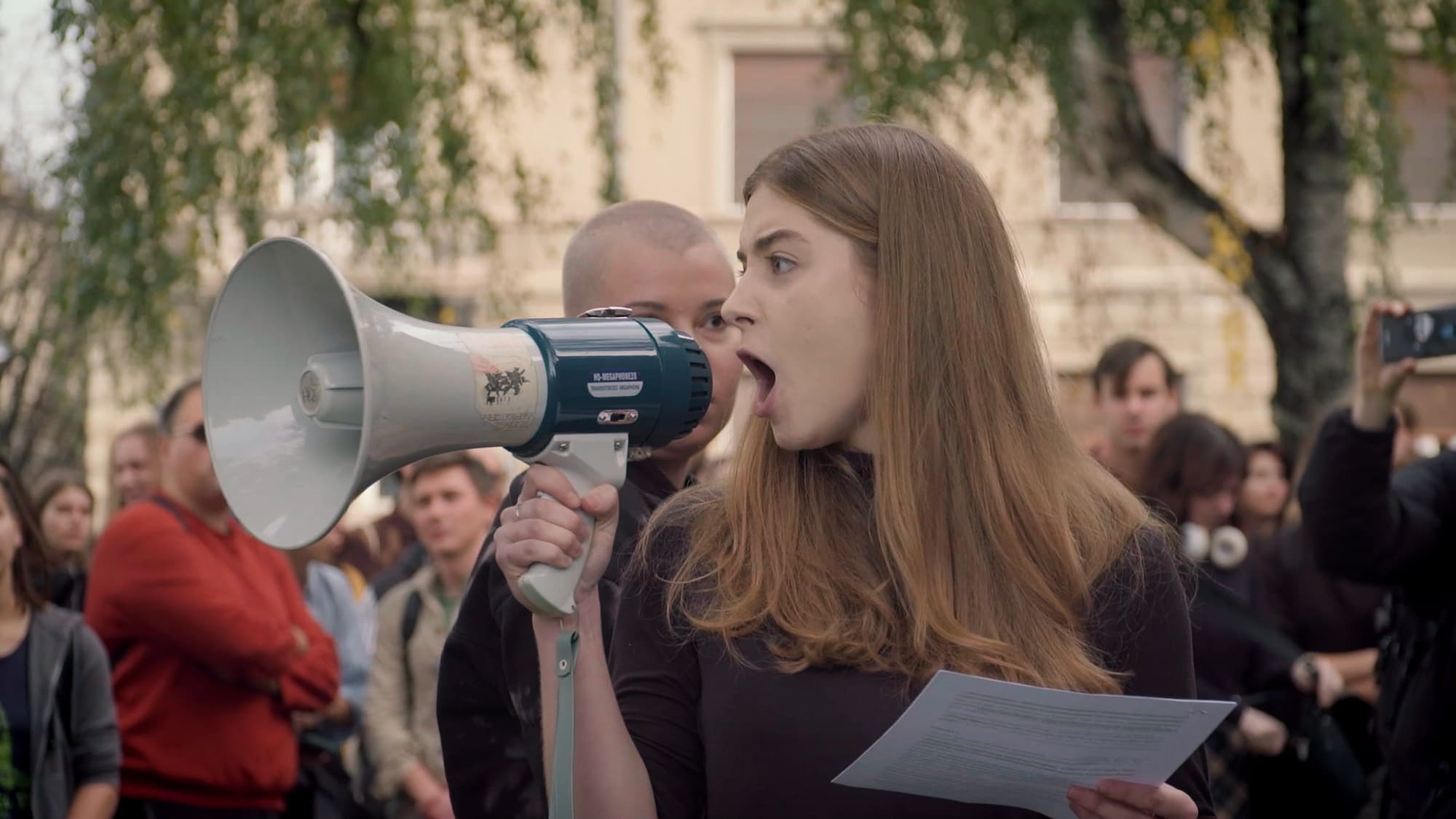
Yet Another One
Karla Jelić, Croatia, documentary, 2025, 29'
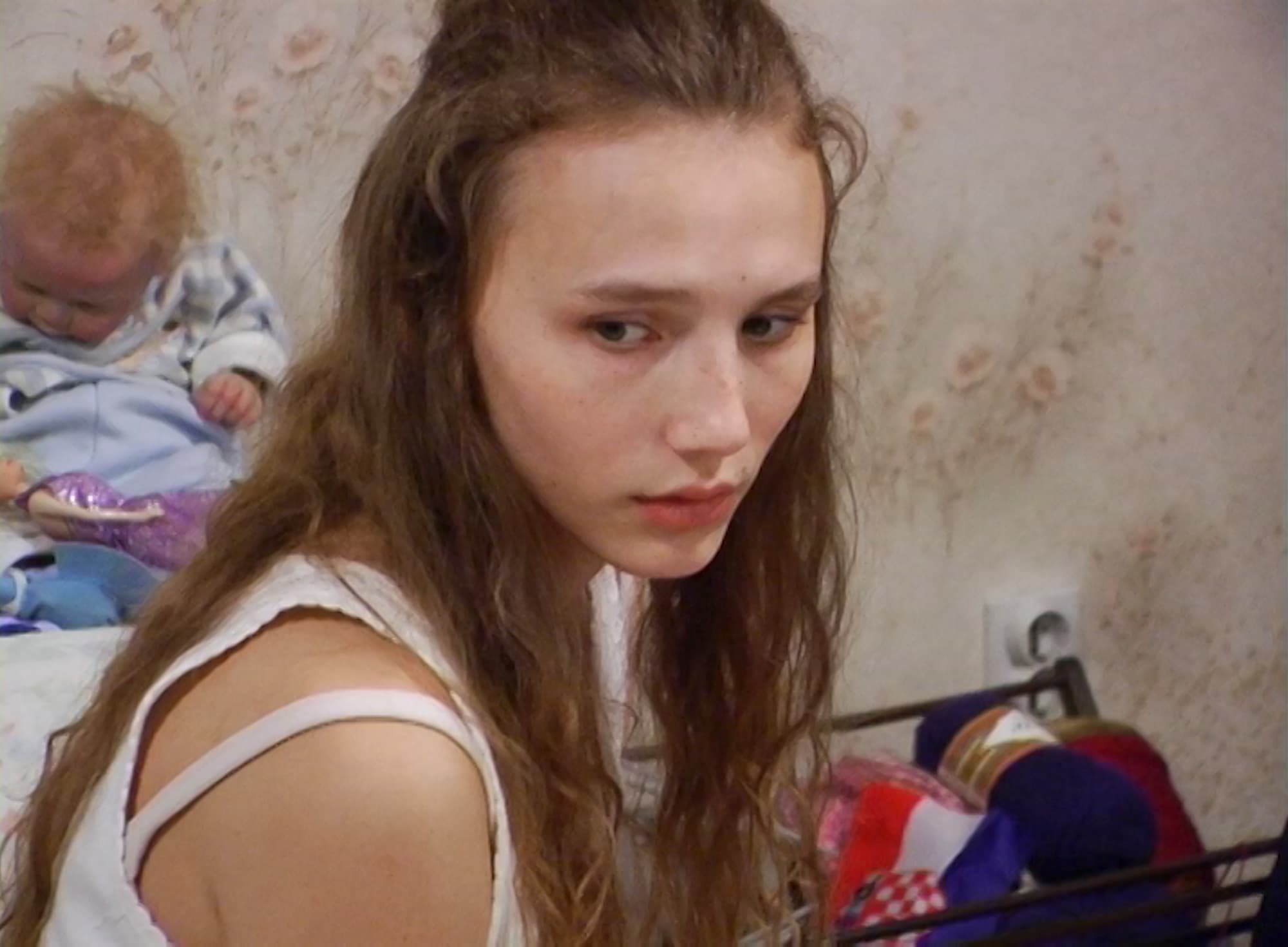
The Lambkin
Martina Marasović, Croatia, fiction, 2024, 28'

How
Marko Meštrović, Croatia, animated, experimental, 2025, 9'

Upon Sunrise
Stefan Ivančić, Serbia, Spain, Slovenia, Croatia, fiction, 2025, 15'

Floating
Jelena Milunović, Serbia, Croatia, Germany, animation, 2025, 7'
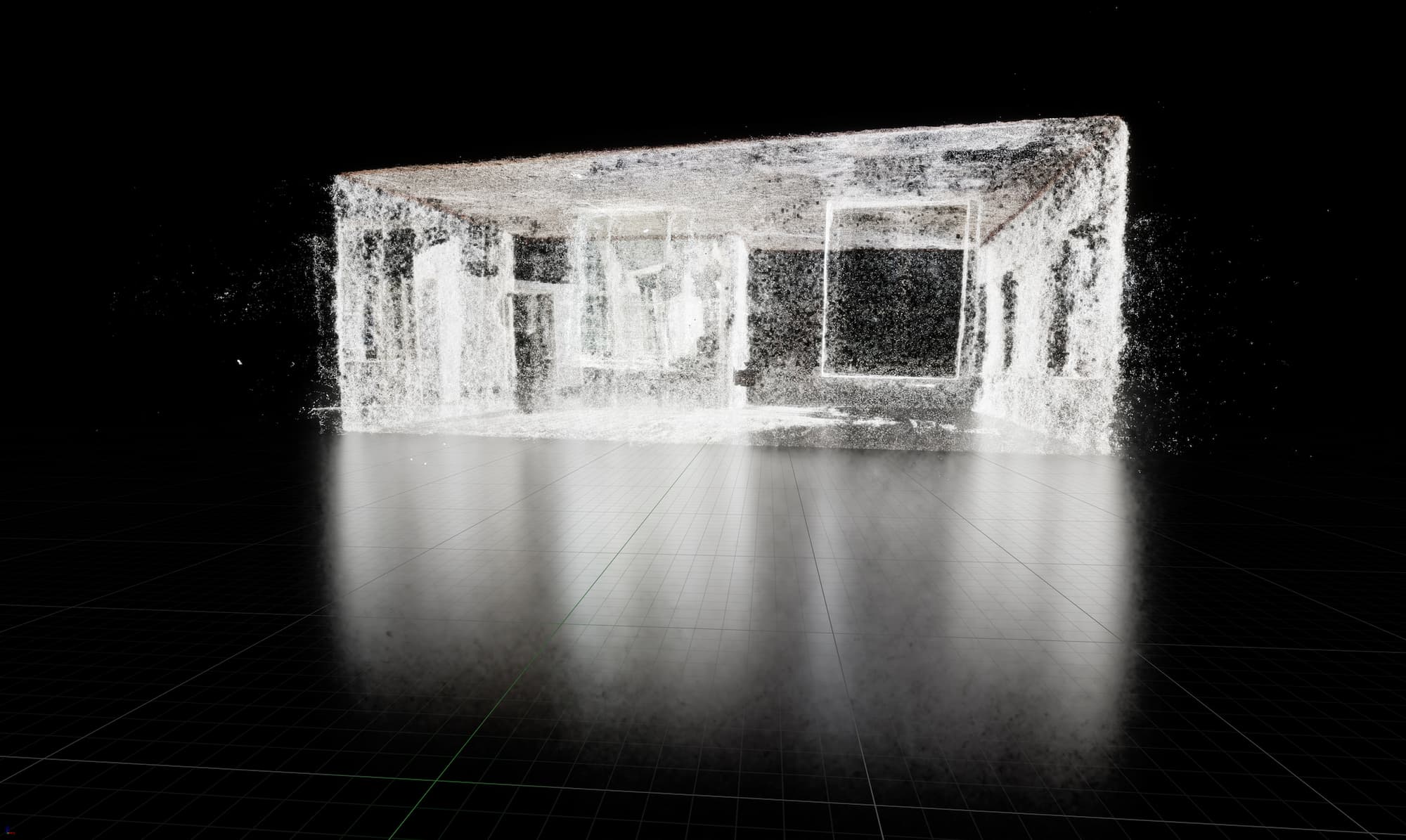
Mnemonic Nebulae
Vicky Betsou, Greece, experimental, 2024, 8'

Nature and Poetry
Jasna Safić, Croatia, fiction, 2025, 17’

Pirateland
Stavros Petropoulos, France, Greece, Norway, fiction, 2025, 28'
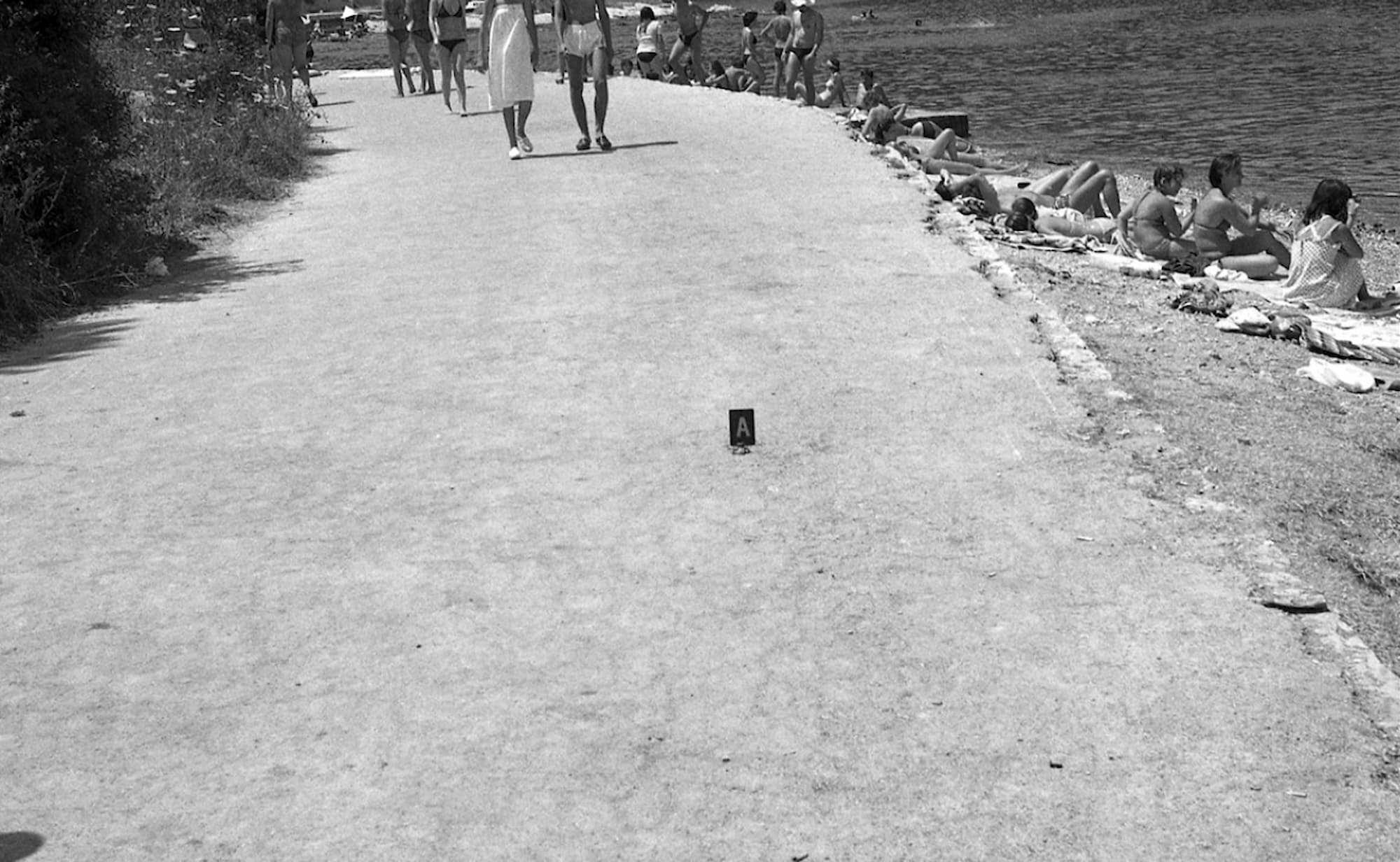
Greetings from the Secretariat
Ivan Ramljak, Croatia, documentary, 2025, 24’

Psychonauts
Niko Radas, Croatia, animation, 2025, 8'

Skeleton Tree
Haris Zalavras, Greece, fiction, 2024, 17'

SOS
Anita Morina, Kosovo, fiction, 2025, 15'

Surge of Transference
Geo Barcan, Netherlands, Romania, experimental, documentary, 2024, 15'

Stitch the Ruin
Željka Blakšić, experimental, 2024, 8'